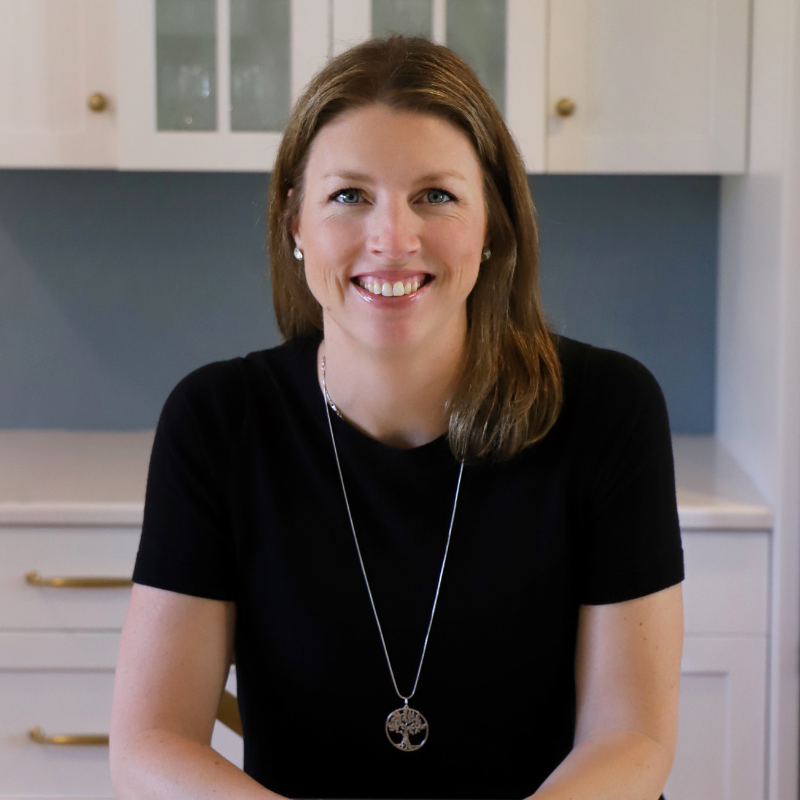

I’ve spent my entire career in geriatrics, although my love for older adults started long before I became a nurse. Growing up, I was very close to my grandmother and spent a lot of time with her and her friends. I loved their stories, their humor, and the perspective that comes from having lived a lot of life. Looking back, I recognize how much those relationships shaped who I ultimately wanted to serve when I entered healthcare.
I became a nurse in 2002 and have been practicing as a nurse practitioner for nearly 19 years, spending much of my career in nursing homes caring for thousands of older adults with chronic disease, frailty, and dementia. I loved the work and still do, but over time I began feeling increasingly frustrated by the limitations of what I could offer. Despite years of clinical experience, I felt as though I had exhausted the tools in my toolbox. My patients were asking what else they could do to support their health, and I wanted to give them answers that went beyond managing another diagnosis or adjusting another medication.
By the time I discovered the School of Applied Functional Medicine (SAFM) in 2018, that frustration was contributing to a growing sense of burnout. SAFM offered the deeper learning I had been craving. Grounded in science and clinical rigor, the training introduced me to a broader, systems-based approach to understanding health and disease, exploring underlying contributors and recognizing patterns across body systems. I couldn’t get enough of it. I was excited to learn again, and the experience restored my curiosity, renewed my sense of purpose, and gave me the clinical confidence to begin imagining a different way to practice.
My years in geriatrics gave that new perspective a very real context. The people I cared for hadn’t simply arrived at the nursing home one day with diabetes, cardiovascular disease, frailty, or cognitive decline. Their health had been evolving for decades. I began wondering what had been happening when they were 40, 50, or 60, and what opportunities might have existed if different questions had been asked then. I tried to incorporate what I was learning into my conventional work, but eventually recognized that if I wanted to work further upstream, I needed to reach people earlier.
That realization ultimately led me to something I never imagined doing: starting my own functional medicine practice. SAFM had given me the clinical foundation and confidence to believe I could practice this way, and as Tracy Harrison often encourages practitioners, at some point I had to find the courage to “jump in the pool.”
Over time, I gradually reduced my hours in a conventional healthcare role with a reliable paycheck and built a functional medicine micropractice that provides an additional source of income while allowing me to work with patients in a way I find deeply fulfilling. I continue to work part-time in geriatrics and enjoy having a foot in both worlds. My conventional role keeps me connected to the older adults I have always loved caring for, while my own practice provides the time and flexibility to explore patients’ health concerns more deeply. I’ve discovered that a successful practice doesn’t necessarily need to be a large one or require leaving conventional medicine entirely. For me, success has meant creating something that contributes financially while allowing me to practice in a way that aligns with my values and the life I want to lead.
Today, my functional medicine work focuses primarily on adults in midlife who want to better understand their health and take a more proactive role in how they age. My years in geriatrics have also inspired a particular focus on brain health and dementia prevention. Having cared for so many people living with cognitive decline, I understand how profoundly these conditions affect independence and quality of life. I want to help people address their current health concerns while also identifying opportunities to support cognitive health, reduce modifiable dementia risk factors, and build a foundation for healthier aging.
That sense of agency is one of the things I value most about functional medicine. I recognize that no one can control every health outcome, and I’m careful not to suggest that people are responsible for developing disease because they didn’t do everything “right.” Genetics, environment, and circumstances all matter. Still, there is considerable space between believing we can control everything and believing we can influence nothing. Helping patients understand what they can influence allows them to become active participants in how they age rather than feeling as though their future health is simply a card they’ve been handed.
For me, this work has never been about avoiding aging. I want people to grow older and to experience those years as fully as possible. Some of the women I have admired most throughout my life have been the older women in my own family, including my grandmother, mother, and aunts. Their wisdom, humor, perspective, and life experience have shaped my appreciation for aging and the value older adults bring to their families and communities. I want more people to have the opportunity to enjoy those later years with the health, independence, and connection that allow them to participate fully in life.
My years in geriatrics taught me how precious the ability to think, move, connect, participate, and remain independent really is. SAFM changed how I think about when we should begin supporting those abilities, restored my curiosity as a clinician, and gave me the clinical confidence to pursue a different path professionally.
I still love geriatrics as much as I did when I began. Today, I’ve found a way to bring together the work I have always loved with a new way of practicing, creating a career that is both personally meaningful and financially sustainable while helping people take a more active role in how they age.